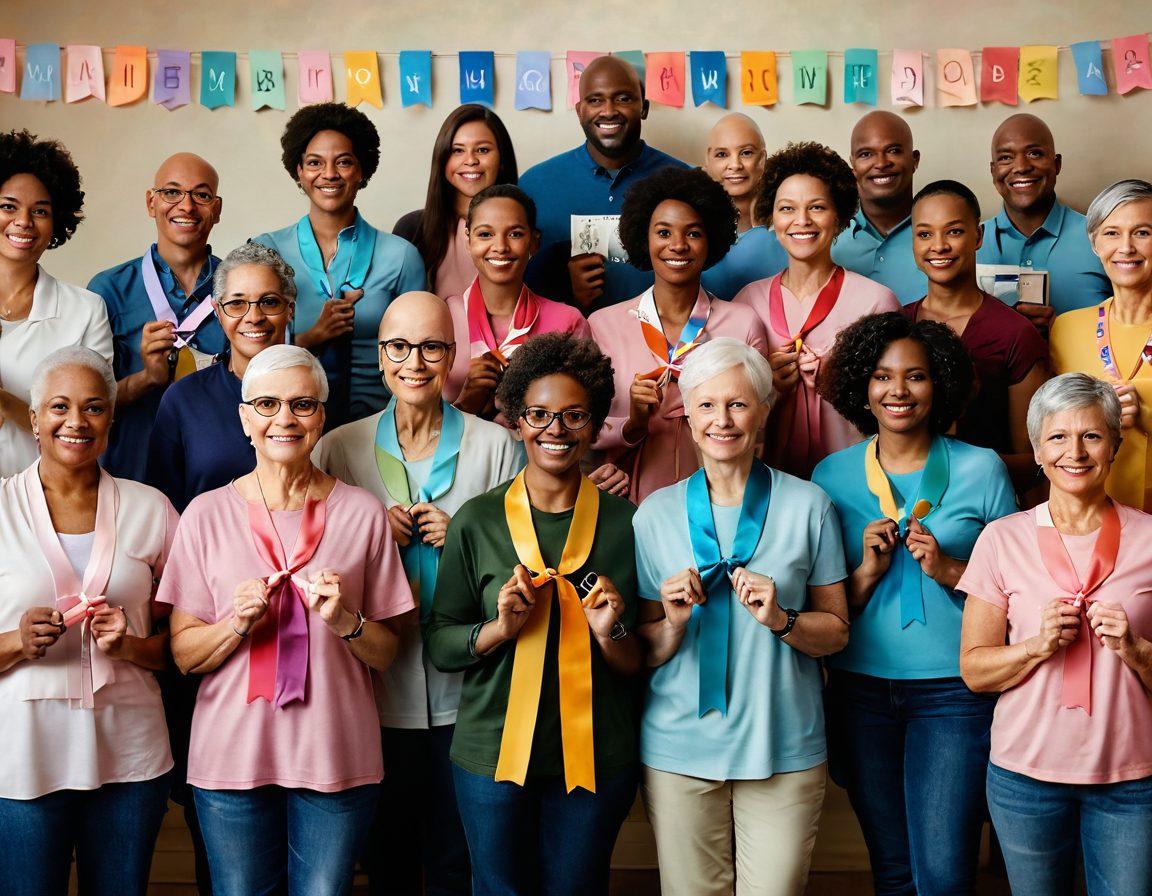
Empowering Cancer Survivors: Your Guide to Wellness, Advocacy, and Community Support
Imagine waking up one day to a diagnosis that shakes the very foundation of your life. Cancer. That one word can inspire fear, uncertainty, and a whirlwind of questions. Yet, for many, this diagnosis becomes the catalyst for transformation. After the treatment and the initial shock, cancer survivors step into a new chapter of life: the journey of thriving beyond diagnosis. This blog aims to unlock pathways toward wellness and community support, emphasizing that what lies ahead can be empowering and fulfilling. Remember, survival isn't merely about living; it's about truly thriving!
In the realm of oncology, survivorship isn't just a buzzword; it represents a vast network of resilience, hope, and renewed purpose. Can you recall a time when you faced an overwhelming challenge? It’s through facing these adversities that we often discover our strength. Survivors possess unique stories and insights that inspire change and promote wellness, not only for themselves but for others in their community. The importance of cancer education and cancer advocacy cannot be overstated as every survivor's journey can educate others while fostering a strong network of support.
The journey after treatment can feel as daunting as the diagnosis itself. Questions about fitness, nutritional choices, and mental health loom large in a survivor's mind. How do you reintroduce normalcy and maintain a direction towards holistic health? This transition introduces numerous options including rehabilitation programs, self-care routines, fitness practices tailored for physical and emotional wellness, and patient resources focused on disease prevention. Survivors often find empowerment in sharing their experiences, as well as discovering their new physical and emotional capabilities through trusted community support.
Community support plays an essential role in fostering a sense of belonging and acceptance. Finding a tribe that understands the nuances of survivorship can be liberating. Whether it’s joining local cancer support groups, participating in workshops on immunotherapy or clinical trials, or simply sharing a cup of coffee with someone who has walked a similar path—a strong support network can transform the cancer experience. National pride shines brightest when communities come together, offering love, understanding, and resources. With the right support, survivors not only rebuild their lives but also contribute to public health and health promotion initiatives.
Lastly, navigating the landscape of medical research and available patient resources presents new opportunities for survivors. Start by empowering yourself with accurate health information; knowledge about radiation therapy, chemotherapy, and the latest in medical advancements can be a tremendous advantage. By engaging in cancer advocacy and education, you can be part of changing lives, shaping policies, and possibly even paving the way for future generations. So, what are you waiting for? Take that first step towards thriving beyond diagnosis, and remember: the key to wellness lies not just within you but also in the relationships you foster and the community you engage with.
Championing Change: The Role of Advocacy and Education in Cancer Survivorship
In a world where the battle against cancer has transformed into a story of courage and resilience, survivors are not just witnesses; they are champions. The journey of survivorship is one filled with challenges and triumphs, but as advocates for change, these individuals play a pivotal role in shaping the landscape of cancer education and support. Can you imagine how powerful it is to turn personal experiences into a voice for the millions affected by this disease? This blog explores the essence of advocacy and education in cancer survivorship, focusing on how empowering survivors can lead to a more informed and supportive community.
Advocacy in oncology extends beyond just raising awareness; it is a movement. By engaging in cancer advocacy, survivors can bring awareness to crucial issues like disease prevention and innovative treatments such as immunotherapy, chemotherapy, and radiation therapy. Each voice added to the chorus amplifies the message that education is key to overcoming misconceptions about cancer. Have you ever felt the urge to shout for change? For many survivors, advocacy starts with their own story—a tumor that once defined their plight now becomes a platform for public health promotion. They serve not just as patients but as educators, inspiring change and guiding others toward vital patient resources.
Education forms the backbone of cancer advocacy. Survivorship is not simply about surviving the illness; it’s about thriving afterwards. Through cancer education, survivors learn to navigate their medical journeys armed with health information that empowers them to make informed decisions. What if each survivor took the time to educate just one more person about their experience? Imagine the ripple effect that could lead to a tenfold increase in awareness! Facilitated by community support groups, survivors can share their journeys, contributing to holistic health and wellness plans that address mental, emotional, and physical fitness—three pillars essential in a survivor's life.
Moreover, community support offers an invaluable network for survivors. It is through shared experiences that individuals can find solace and strength in one another's stories. By fostering a spirit of national pride in local initiatives that promote health education and support, survivors can reinforce the notion that they are not alone. This camaraderie encourages survivors to participate in clinical trials or disseminate information about medical research, thereby fortifying the collective push against cancer. How can we ensure that every survivor feels connected and empowered? By actively engaging in their communities and building bridges they can walk across together.
As we reflect on the journeys of cancer survivors, let us not forget the importance of advocacy and education. They are the catalysts for change, turning the pain of living with cancer into a mission for public health improvement. Imagine transforming the narrative of survivorship, making it synonymous not just with survival but with empowerment and community support. The endless possibilities lie in our hands—let's take the first step in championing change, because in doing so, we honor every fighter who has faced cancer head-on.
Building Resilience: A Comprehensive Approach to Fitness and Holistic Health for Survivors
In the journey of survivorship, it's often said that the scars we carry symbolize our strength and resilience. For cancer survivors, every hurdle crossed and every treatment endured is a testament to their willpower. The path to recovery is not just about overcoming the physical aspects of the disease but also about constructing a robust framework of wellness and holistic health. Imagine a life where you feel empowered, informed, and supported in a community that not only understands your battle but also celebrates your victories. As we delve deeper into the building blocks of resilience, you'll find the essential tools needed to embrace life post-diagnosis, imbibing the essence of fitness, holistic health, and community support.
Creating a comprehensive approach to fitness and holistic health is vital for survivors looking to reclaim their lives. From oncology insights that emphasize disease prevention to the latest in cancer education, understanding your body’s needs along the journey is paramount. Have you ever paused to consider how your mental, emotional, and physical health intersect? Those intersections can often become pathways to recovery and growth. Exercise isn't merely about lifting weights or running marathons; it's about finding joy in movement, whether through yoga, swimming, or even leisurely walks in nature. Remember, resilience is not merely surviving; it's thriving amidst the challenges. How can your relationship with fitness evolve into a source of joy and empowerment?
National pride in survivorship should be a collective endeavor. It’s not just an individual struggle but a shared journey that demands awareness and cancer advocacy. Community support serves as the backbone for survivors, providing essential patient resources and health information. It’s crucial to tap into local initiatives, support groups, and health promotion events where your voice can resonate with others. Sharing experiences can embolden others facing similar challenges, knitting a tapestry of strength within the community. What if every survivor took a moment to contribute their story? The ripple effect could cultivate hope, inspire wellness, and drive impactful change.
As we explore the avenues of cancer support, let’s highlight the importance of staying informed about treatment options such as immunotherapy, radiation therapy, and chemotherapy. Understanding these options is vital; knowledge is indeed power in this fight. Clinical trials often pave the way for innovative treatment solutions, emphasizing the importance of medical research in reshaping cancer recovery. What questions can you pose to your healthcare provider today to enhance your understanding of your unique journey? Engaging with your medical team fosters a partnership that’s critical in navigating the complexities of survivorship.
Holistic health embodies the entire being - body, mind, and soul. This perspective invites survivors to adopt practices such as mindfulness, meditation, and nutrition that emphasize overall well-being. Think about your wellness routine: Have you included elements that truly nourish your spirit? Crafting a personalized plan that integrates physical fitness and mental health practices can catalyze profound transformation. It’s never too late to start; every small step can lead you closer to balanced living. Embrace the notion of being the architect of your recovery; after all, resilience is built, piece by piece, each day anew.